Zero Sum Arenas Guide: Every Map, Mode and Scoring Twist
Zero Sum arenas explained: Writing Paper, Math Paper, Cardboard and Receipt Paper, plus Verdict and Target rules, leaderboards and tips to score higher.
Jump to
How the Arenas Work in Zero Sum
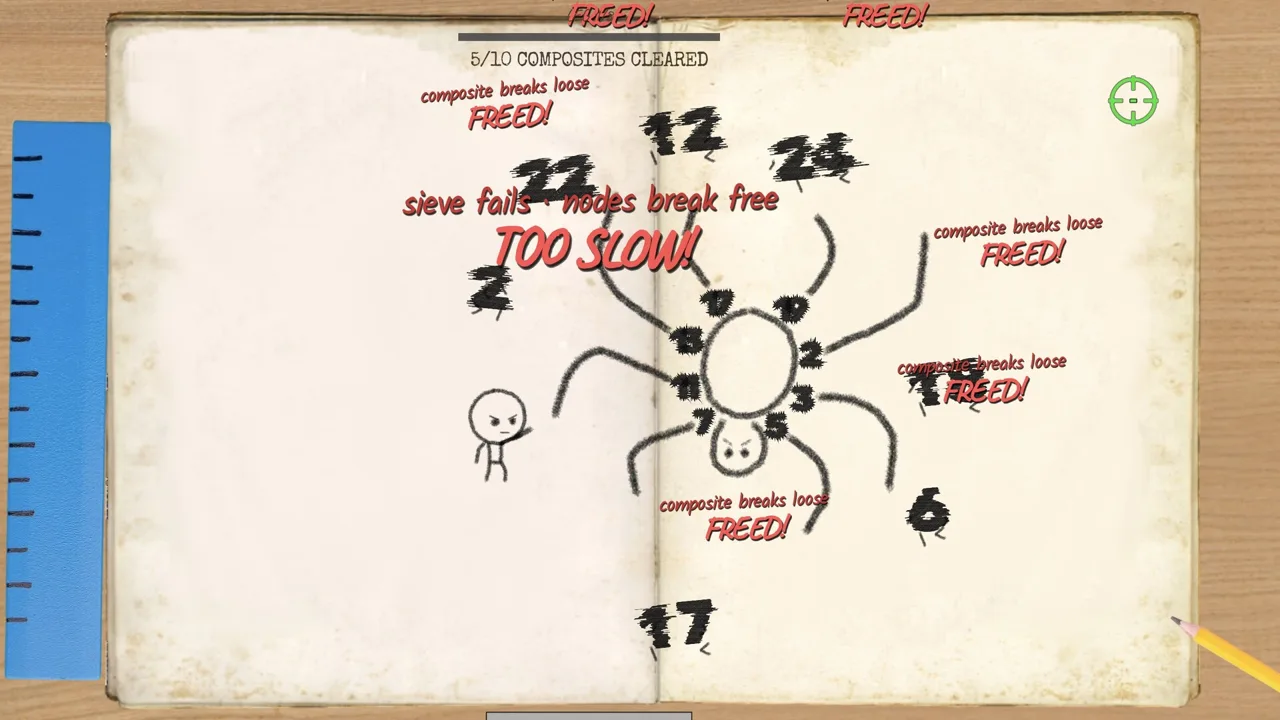
Picking the right map changes your run as much as picking the right operator. Zero Sum arenas are more than reskins. Each sheet of paper changes how many numbers spawn, how big they get, which enemy types show up and which bosses wait at the end. The game ships with 6 distinct arenas and 3 combat rule sets, so you have a lot of combinations to learn.
Standard Mode is the core roguelite loop, and it plays out across multiple paper arenas. Its layouts range from classic chokepoints and shielded conveyor belts to corridor holdouts and wide-open boss arena rushes. Each map has its own boss lineup, so returning to an arena you have already cleared still gives you new fights.
Arena-by-Arena Breakdown
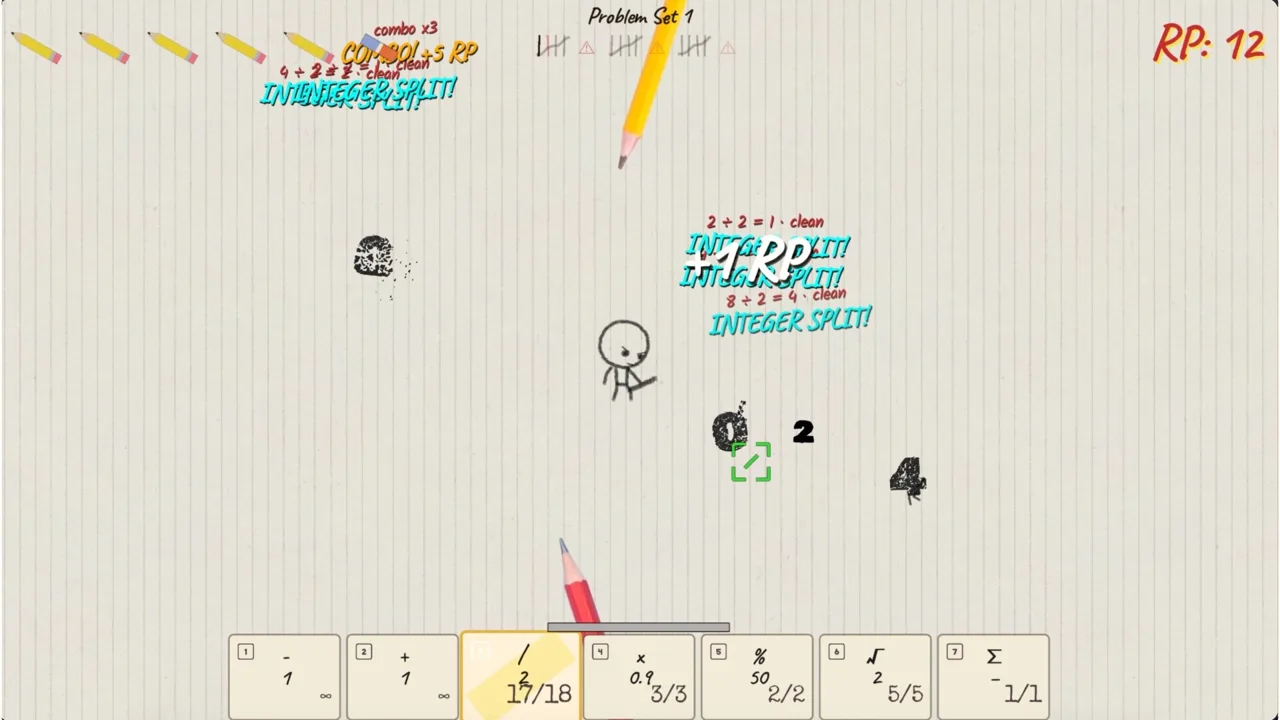 Image: Steam / Power Plins Games
| Arena | What to expect |
|---|---|
| Writing Paper | The starting map. Spawns are slower, and numbers are smaller and fewer. Waves still include factorials. |
| Math Paper | Fewer enemies with much higher values. No stationary Tanky numbers and no factorials. |
| Cardboard | Built around slow, Tanky numbers that block your path while you survive for a set length of time. |
| Receipt Paper | Uses its own scoring weights: time survived, phase 3, 4 and 5 bonuses, a raw SP multiplier, a mistake penalty and an efficiency bonus. |
Writing Paper
Writing Paper is your first map, and it is the gentlest one. Use it to learn the combo system. Small values make clean divisions and roots easy to spot. Keep an eye on factorials, though. Ignore one and it splits and grows fast.
Math Paper
Math Paper turns the formula around. There are fewer targets, but every one of them is big. Bring division and root ammo here, because chipping a large number down with minus burns through your clip and your time. Since there are no stationary Tanky enemies, everything on the field is coming for you.
Cardboard
Cardboard is a survival map. Slow, tanky numbers clog the lanes. Plan dashes around them instead of trying to clear every blocker. Patch v1.1.0 fixed two Cardboard softlocks. Tanky enemies no longer spawn stacked on top of each other, and remainder numbers can no longer get knocked out of the arena.
Receipt Paper
Receipt Paper scores differently from the other maps. Survival time and late phases count for a lot, and mistakes cost you. On this map, playing efficient and clean is worth more than playing fast and sloppy.
The Three Rule Sets
The arenas sit under three combat rule sets. Each one asks for a different mindset:
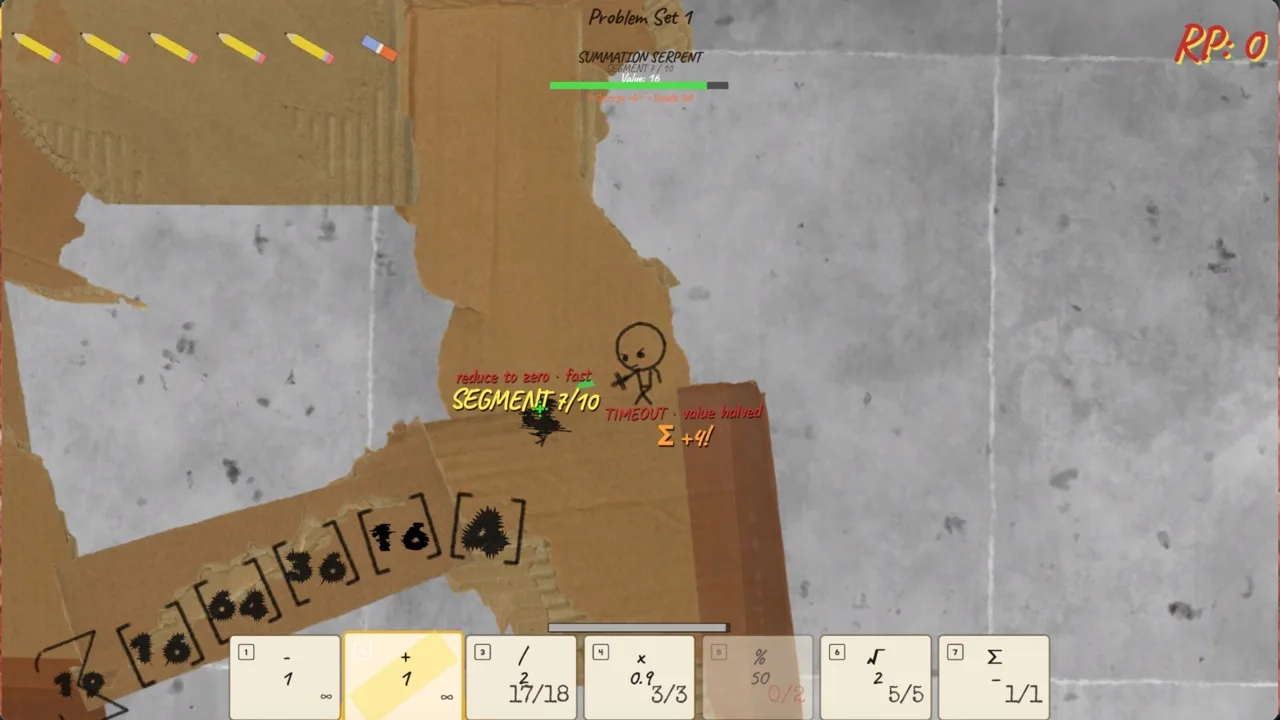 Image: Steam / Power Plins Games
- Standard Mode: Full roguelite runs. Chain clean math, gamble on shop curses, chase Perfect Waves and collect boss trophies.
- Verdict Mode: An endless survival gauntlet with mid-run operator drafting. ÷, √ and % either solve a number cleanly or punish you, so only fire them when the math checks out.
- Target Mode: Instead of reducing numbers to zero, you push each one to a specific target value using +, × and Σ under a strict operation limit. Since v1.1.0, a number that runs out of operations without hitting its goal counts as a miss and leaves the field, so it no longer holds up the end of the wave.
The feature list also mentions factor-hunting Book Pages as part of the arena and mode lineup.
Difficulty Changes Every Arena
All three difficulty tiers share the same minimum and maximum number brackets on each wave. What changes is the spread. Easy weights spawns toward the low end of the bracket, and Hard pushes them toward the high end.
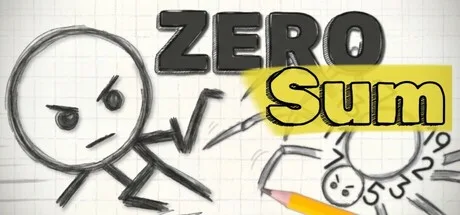 Image: Steam / Power Plins Games
- Pupil (Easy): Enemies move a bit slower and only start running after the second hit. Tanky numbers walk first. Pupil is also the only tier with an active pause.
- Student (Normal): This is the intended difficulty. Numbers start running after the first hit, but they lose aggro after a while.
- Teacher (Hard): Numbers never lose aggro, and Hard unlocks lethal new boss phases.
Numbers also spread out when too many bunch together, or when you kite them for too long. Use that window to line up clean shots instead of fighting a giant death ball.
Scoring and Leaderboards
Each base map has its own Steam leaderboard, one for every level and difficulty, so a Writing Paper score on Student never competes with a Cardboard score on Teacher. Outside Receipt Paper, your score is built from:
- Waves cleared and bosses defeated
- Run completion and flawless runs
- Perfect waves and combo chains
- HP lost, with a penalty for healing in the shop
- A time bonus for finishing under par
Skip shop heals whenever you can afford to, because they eat into your leaderboard score. Anything beyond +1, −1 and ×1 feeds the combo multiplier, so lean on division, root, modulo and larger minus shots to keep your streak alive.
Wave Challenges Before Each Fight
Between waves you can take on challenges that make the next wave harder. They cost slightly less RP, the run-specific upgrade currency, and pay out SP, the meta currency you use for upgrades and unlocking new weapons. Example challenges include every number spawning as a prime, all enemies spawning at ×7 value or as negatives, every enemy being the FAST type, and taking double damage. Before each boss you also get a double boss drop modifier.
Take challenges on the arena you know best. A ×7 wave on Writing Paper is far more manageable than the same challenge on Math Paper, where values already start high.
Achievements Tied to the Maps
Zero Sum has 60 Steam achievements. Writing Paper, Function Fields and Cardboard all show up among the highlighted ones, next to run-based goals like Passing Grade, Curriculum Cleared, Untouchable and Valedictorian.
The game launched on November 17, 2026 for Windows, macOS and Linux/SteamOS at $11.99, with a launch price of $8.99 until December 1. You can grab it or try the free demo on the Zero Sum Steam page, and the Power Plins Games official site has the full feature rundown.
FAQ
How many arenas does Zero Sum have?
Six distinct arenas, played across three combat rule sets: Standard, Verdict and Target.
Which arena should I start on?
Start on Writing Paper. It is the first map, and it has slower spawns plus smaller, fewer numbers, which makes it the best place to learn clean combos.
Do bosses differ between arenas?
Yes. Each map offers its own bosses, so it is worth returning to arenas you have already cleared.
Is there a pause during arena runs?
Only on Pupil difficulty. Student and Teacher have no pause, but the shop between waves gives you a breather.
Continue with
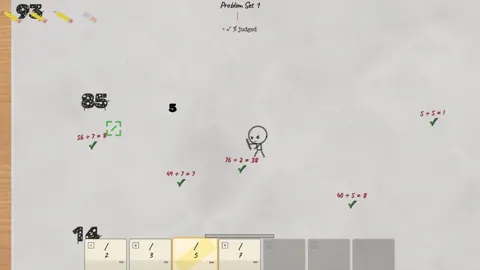 Zero Sum Challenge Codes: How to Share and Play Problem SetsZero Sum challenge codes turn custom problem sets into shareable puzzles. Learn how to build, import and grade them, plus a Prime Riddle code to try now.
More in Modes
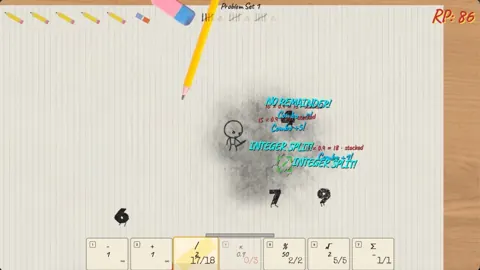
Zero Sum Challenge Editor: Build, Share and Grade Puzzles
Master the Zero Sum challenge editor: build custom problem sets, set grade thresholds, share codes with friends or chat, and learn the v1.1.0 changes.
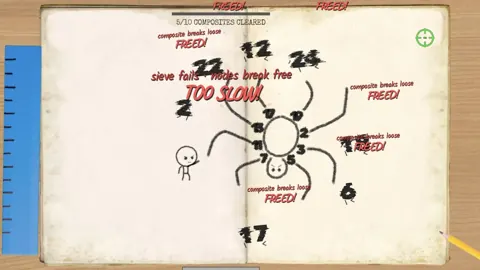
Zero Sum Difficulty Guide: Pupil, Student or Teacher?
Zero Sum difficulty explained: how Pupil, Student and Teacher change enemy speed, aggro, pause and boss phases, plus tips to pick the right tier for you.
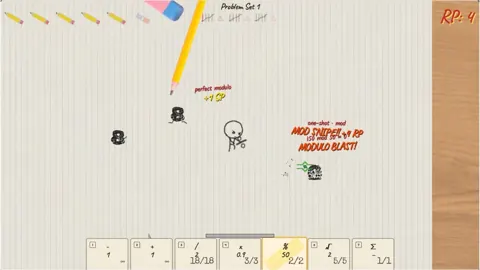
Zero Sum Modes Guide: Standard, Verdict, Target and More
Our Zero Sum modes guide breaks down Standard, Verdict and Target modes, every paper arena, difficulty tiers and the Problem Set editor. Plan your run.
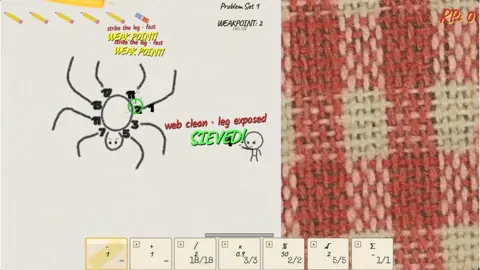
Zero Sum Target Mode Guide: Rules, Tips and Custom Puzzles
Zero Sum Target Mode flips the goal: turn numbers into a target value with +, × and Σ under a strict operation limit. Get the rules, tips and share codes.
Continue exploring
Zero Sum Achievements Guide: All 60 Unlocks and Rarest Ones
Zero Sum achievements explained: all 60 unlock conditions, global rarity rates, the hidden ones, and a smart order for chasing 100% completion on Steam.
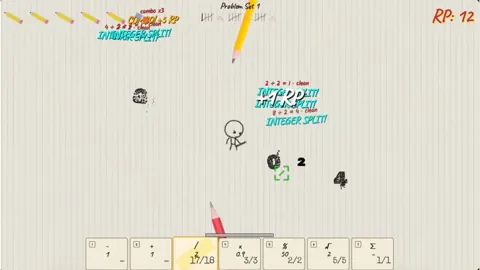
Zero Sum Bosses Guide: Mechanics, Phases and Counters
Zero Sum bosses turn real math into multi-phase fights. Learn to break the Euler Owl, Prime Sieve Spider, Factorial Factory and more on every difficulty.
Join the community
Official channels for news, updates and player help: